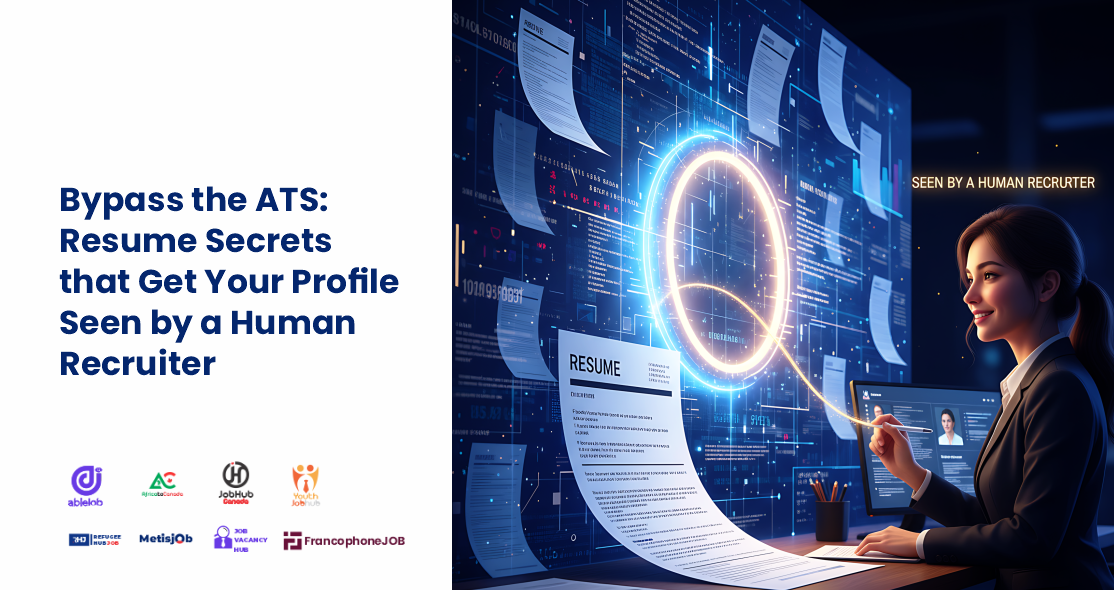
For many job seekers, the Applicant Tracking System (ATS) feels like a black box—a silent gatekeeper that rejects perfectly qualified candidates before a human being ever sees their name. In reality, the ATS is simply a database designed to parse, sort, and rank resumes based on relevance.
The secret to bypassing the ATS isn’t about trickery; it’s about optimisation. You need to write your resume for two audiences: a machine (the ATS) and a human recruiter. Fail to satisfy the machine, and the human will never get a chance to be impressed.
Here are the essential secrets to crafting an ATS-compliant resume that guarantees your profile makes it to the next stage.
- The format is Foundation: Choose Simplicity Over Style
The number one reason great resumes fail the ATS is complex formatting. The system’s parsing logic can easily confuse stylish elements, causing critical information to be miscategorised or lost.
- Ditch the Design: Avoid fancy templates, graphics, columns, charts, text boxes, and images. While visually appealing to humans, these elements confuse the ATS's reading order.
- Standard Headings Only: Use common, simple headings that the ATS is programmed to recognise: Experience, Education, Skills, and Summary. Don't use headers and footers, as the ATS often ignores text within these fields.
- File Type Matters: While many systems can now read PDFs, the safest bet is almost always a Microsoft Word document (.docx) or, occasionally, plain text. When in doubt, default to .docx for maximum compatibility.
- Keyword Optimization: Speak the ATS’s Language
The ATS primarily scores your resume on how closely its language matches the language in the job description. Your goal is to mirror the job posting's terminology precisely.
- Match Verbatim: If the job description asks for "Search Engine Optimisation", do not write "SEO". Use the full, written phrase first, and then integrate the acronym in parentheses (Search Engine Optimisation (SEO)).
- Integrate Acronyms and Certifications: Make sure all technical skills, software names, and certifications (e.g., PMP, SQL, AWS, Scrum Master) are spelled out and listed clearly.
- The Keyword Section: Create a dedicated, clean "Skills" section (often bulleted) listing your core competencies. This section is a quick-scan area for both the machine and the human, ensuring the ATS captures all relevant terms in a high-priority location.
- The Human Element: Action and Quantifiable Results
Once you pass the ATS with the right keywords, your resume lands on a human recruiter’s desk, where you have about six seconds to make an impression. Keywords get you through the door; compelling content gets you the interview.
- Use Strong Action Verbs: Start every bullet point under your experience with a powerful action verb (e.g., led, developed, executed, managed, increased). Avoid passive language.
- Quantify Your Impact: The ATS scores keywords, but the human recruiter looks for results. Instead of writing "Managed social media campaigns", write "Led social media strategy across three platforms, increasing engagement by 45% over six months."
- The Summary Statement: Use a concise 3-4 line summary at the top to immediately connect your key skills and years of experience to the job's requirements. This gives the human recruiter a fast overview of your fit.
By writing a clean, structured resume that respects the technology while speaking directly to the recruiter’s needs, you ensure your professional story is seen and appreciated by the person who matters most.